


What are the nutritional needs during hemodialysis
Malnutrition is sometimes a problem in those on hemodialysis. You should try to eat sufficiently to avoid unexplained weight loss and maintain physical function.
In case you feel that your appetite is limited or that food tastes different, especially meat, you should ask for advice to make sure that your energy and proteins are covered sufficiently.
How can I increase my protein intake?
Protein needs are elevated for those on dialysis therefore:
- You are advised to increase foods rich in protein such as meat, poultry, soya and egg whites.
- In case of poor phosphate control foods such as processed meats and dairy products can provide a lot of phosphate therefore phosphate binders may be needed.
- In case you experience taste alterations with animal protein (metallic taste), alternative sources of protein should be considered. Fortification of food with protein supplements could be an easy way to cover your increased protein needs.
How can I control my thirst?
Take tiny sips throughout the day, suck on ice chips/cubes or sugar-free candy and choose thirst-busting foods (frozen fruits, low sodium snacks, sour candies or sugar free gum) that stimulate saliva and reduce the feeling of dry mouth. This will help you stay comfortable within your fluid limit and avoid extra weight gain between dialysis sessions.
How can I boost my nutrient intake?
Boost your regular meals by mixing in butter, cream, cheese, or protein powder – this adds lots of nutrition without bigger portions or extra fluids. Add kidney-friendly snacks like hard-boiled eggs, cheese sticks, or unsalted nuts between meals to reach your protein and energy targets easily.
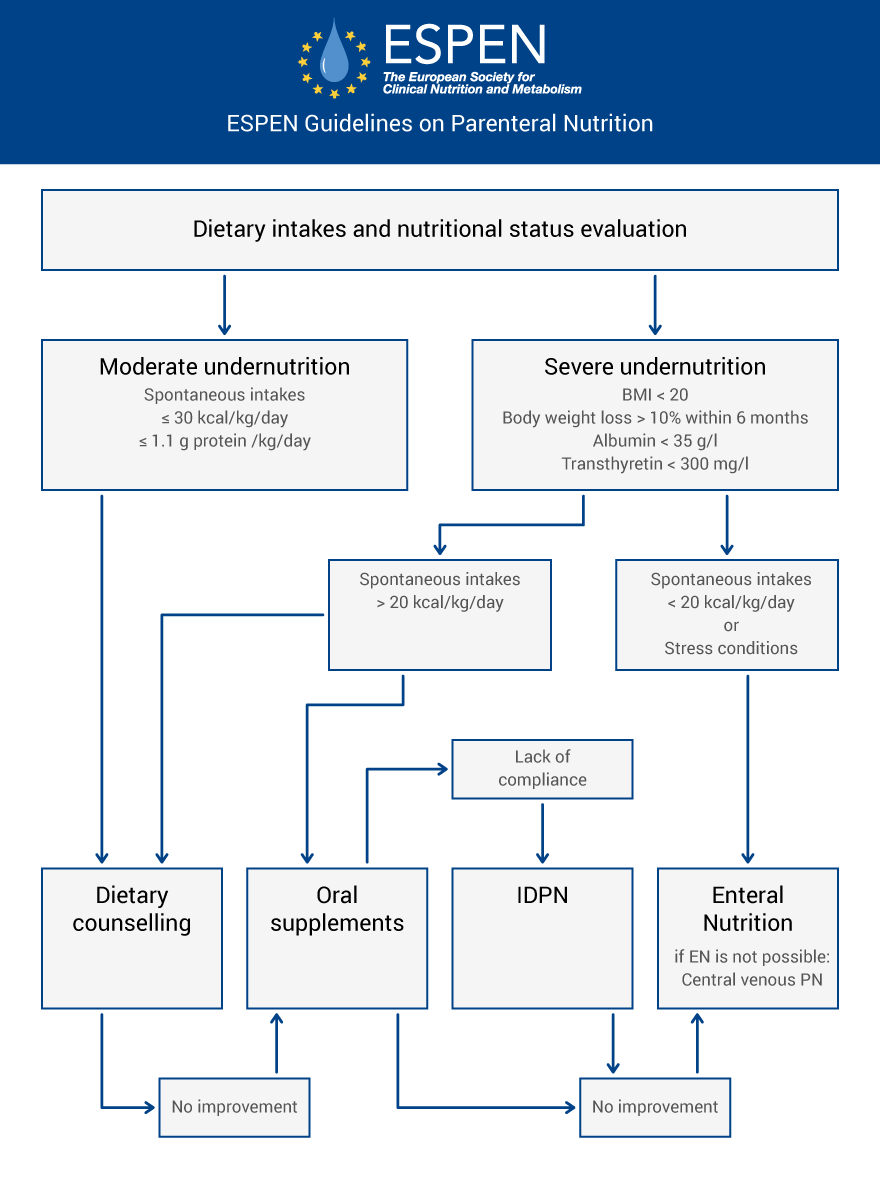
If these measures prove to be insufficient then you should ask for advice regarding oral nutritional supplements (ONS) that are suitable for you. ONS are ready to drink milkshakes, drinks or puddings designed to provide extra protein and energy when your meals alone aren't quite enough. They provide energy, protein, vitamins and minerals to your body. ONS for those living with kidney disease should be energy dense, providing more than 1.5kcals per ml to avoid fluid overload and low in potassium, sodium and phosphate.
What if I cannot tolerate them?
If you cannot tolerate them then another way to support your nutritional status is the provision of nutrients through HD access during hemodialysis directly to the blood flow. This is called Intradialytic Parenteral Nutrition (IDPN) and can be used to provide about 400-500 Kcal/ day.
For patients on Peritoneal dialysis, to support protein intake Intraperitoneal Nutrition (IPN) can be used. IPN is the provision of amino acids through one of the peritoneal exchanges.
Finally, in patients with severe malnutrition that is not covered by supplemental nutrition, enteral nutrition should be used, i.e. the provision of food through a feeding tube to assure the maintenance of good nutritional status.
What is Enteral Nutrition?
Enteral nutrition uses a tube to deliver liquid food straight to your stomach or intestines if you can't eat enough by mouth.
EDTNA/ERCA Secretariat
Uzubaliu 7, Miklusenai, Alytaus r. sav. 62466
Lithuania
E-mail: secretariat@edtnaerca.org
E-mail: secretariat@edtnaerca.org
Www: www.edtnaerca.org
Head Office
EDTNA/ERCA, Seestrasse 91, CH 6052 Hergiswil, Switzerland


