home




Gunnar Malmström
Electrical Engineer. President for MTFD, Swedish Association for Dialysis Technologists
Danderyds Hospital Medical Technical Department, Stockholm, Sweden
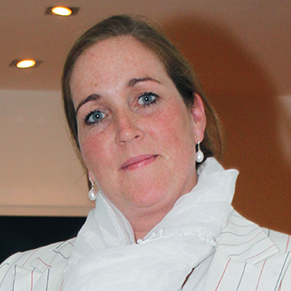
Sophie Halldin
RN, Renal Unit in Haemodialysis Department, Danderyds Sjukhus AB
Stockholm, Sweden
elsahalldin@yahoo.se
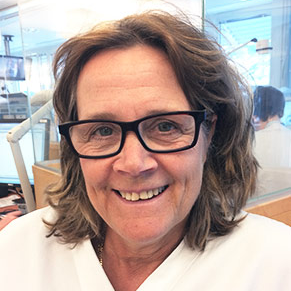
Monica Edström
RN, Renal unit in Home Haemodialysis Department at Danderyds Sjukhus AB,
Stockholm, Sweden
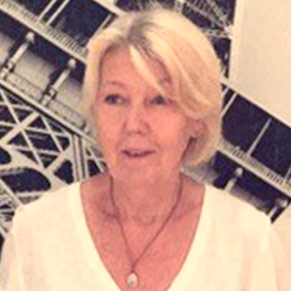
Marie-Louise Bodin
RN, Renal unit in Home Haemodialysis Department at Danderyds Sjukhus AB
Stockholm, Sweden
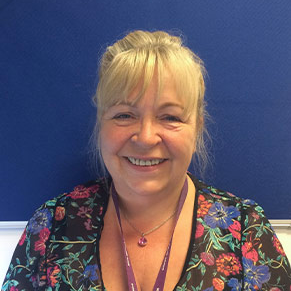
Nicola Pacy
RGN. Home Haemodialysis Manager, Wessex Kidney Centre
Queen Alexandra Hospital, Portsmouth, UK
nicola.pacy@porthosp.nhs.uk
10.0 Safety at Home
Introduction
Home Haemodialysis (HHD) today, is generally very safe. This will be because you have been carefully assessed before starting home therapy and because you will initially spend many weeks learning the technical aspect of self-managing the dialysis procedure1.
There have also been advances in machine technology that have reduced technical complications and longer and more frequent treatments have reduced the risk of dialysis related complications such as low blood pressure2.
Traditional Haemodialysis patient safety is given by health care professionals when you dialyse in center. Safety in Home Haemodialysis involves working with yourself, your care partner and health care professionals3.
One big important part of safety is to make sure that you are aware of the risks involved in performing your dialysis at home so that you can make an informed choice as to whether this is the correct therapy for you.
10.1 Education
Serious adverse events during Home Haemodialysis are rare and this is due to the fact that you will be taught all the safety procedures that are needed when dialyzing at home, these will include troubleshooting machine alarms and responding to emergency situations, including power outage and accidental disconnection2,3. You will be taught how to look after your access and what to do if you have bleeding problems and how to avoid infection.
If you have a care partner they will be trained in all these aspects of your care3.
10.1.1 Patient Risk Assessment
Patients using Home Haemodialysis have gone through extensive training and many units will ask you to sign a liability form and or provide certification of competency with Home Haemodialysis. To ensure that you maintain your skills and do not take unnecessary risks, a risk assessment should be performed regularly. An example of this is shown below.
10.2 Contacts
Clinical and technical assistance for you and your care partner should be easily accessible 24 hours/day. You will be made aware of how to contact emergency medical services and know the location and contact details for their nearest hospital emergency department.
10.3 Potential risks /complications of Home Haemodialysis
Performing Dialysis in a home setting can generate the same complications as in center. In addition, there can be complications because you do not have a nurse immediately present to help with machine and water maintenance and in trouble-shooting. However following procedures carefully that you are taught reduces this risk considerably.
Complications can be divided into three areas:
10.3.1 Technical safety
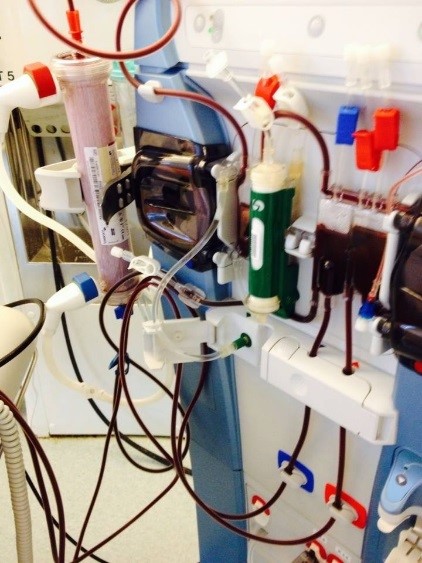
Home Haemodialysis machine safety requirements are the came as from center based machines and they must meet international and national safety standards in order to reduce risk. The safety mechanisms include:
- Pre-dialysis safety check.
- Recommended priming procedures (include ways to minimize infection risks).
- Dialysate conductivity alarms.
- Ultrafiltration monitoring.
- Blood flow pressure alarms.
- Blood leak alarms.
- Safety limits that can be pre-determined.
- Air detector mechanisms (to prevent air embolism).
- Sterilisation procedures to ensure good water quality.
- Safety cutout mechanisms for electrical risks.
You will be taught to follow procedures that maintain this safety and also how to contact technical support if alarms occur related to machine functioning.
Regular servicing of machines and water treatment equipment as per manufacturers recommendations is critical. Servicing can be done at home or by machine swaps to the technical department.
Regular water testing is also a key part of technical safety.
10.3.2 Medical complications
The medical complications can be similar to those when in center
- More frequent dialysis can mean that the vascular access has a higher risk of problems such as infections and bleeding4.
- Cardiovascular problems such as low blood pressure or overload of fluids can occur but are usually seen less frequently than in in center dialysis.
- Malnutrition can occur due to “overdialysis” with loss of nutrients1,2.
- Side-effects of drugs and gastrointestinal complications can occur1,2.
Regular check-ups, blood tests and technique checks can reduce the risk of medical complications.
10.3.3 Psychosocial
Many people on dialysis do experience psychosocial affects such a; anxiety and depression, family/carer fatigue, exacerbation of pre-existing psychiatric conditions and difficulty in coping with managing all aspects of dialysis2. It is important to talk to your health care team if you feel that you experience any of the above concerns.
Patient and Caregiver burden – Home Haemodialysis usually increases the number of days per week that you are having dialysis treatment. This may increase the burden of dialysis on you and your care partner. Choosing the dialysis routine that suits your lifestyle should help to minimize the risk of burden.
10.3.4 Life-threatening Adverse Events
The most common causes of life-threatening adverse events in Home Haemodialysis are:
- Blood loss – bleeding from the circuit (due to poor connections between tubing and access or dialysers), bleeding from Central Venous catheters due to poor connections.
- Human error – failure to follow prescribed procedures; e.g. ignoring machine alarms or neglecting to appropriately use wetness detectors1,3.
- You will be trained how to avoid all the above and if you follow all the advice and training that you have been given you will reduce all risks.
10.3.5 Venous Needle Dislodgement (VND)
One of the risks associated with dialysis is VND (needle falling out). You will be taught how to secure your needles safely to reduce this risk and what to do if this should happen.
Some patients will be supplied with a sensor that is place under the venous needle and will alarm if blood is detected.
Conclusion
There are risks when doing dialysis at home or in a hospital. Following the procedures you are taught will reduce this risk considerably. Most people never experience any serious problems.
References
- Wong B, Zimmerman D, Reintjes F, Courtney M, Klarenbach S, Dowling G, et al. Procedure-related serious adverse events among home hemodialysis patients: a quality assurance perspective. American journal of kidney diseases : the official journal of the National Kidney Foundation. 2014;63(2):251-8.
- Hawley CM, Jeffries J, Nearhos J, Van Eps C. Complications of home hemodialysis. Hemodialysis international International Symposium on Home Hemodialysis. 2008;12 Suppl 1:S21-5.
- Pauly RP, Eastwood DO, Marshall MR. Patient safety in home hemodialysis: quality assurance and serious adverse events in the home setting. Hemodialysis international International Symposium on Home Hemodialysis. 2015;19 Suppl 1:S59-70.
- Bi SH, Tang W, Rigodanzo-Massey N, Young BA, Blagg CR, Wang T, et al. Infection-Related Hospitalizations in Home Hemodialysis Patients. Blood purification. 2015;40(3):187-93.
- Venous Needle Dislogement app. (Temporarily unavailable at this moment).
EDTNA/ERCA Secretariat
Uzubaliu 7, Miklusenai, Alytaus r. sav. 62466
Lithuania
E-mail: secretariat@edtnaerca.org
E-mail: secretariat@edtnaerca.org
Www:
www.edtnaerca.org
Head Office
EDTNA/ERCA, Seestrasse 91, CH 6052 Hergiswil, Switzerland


